


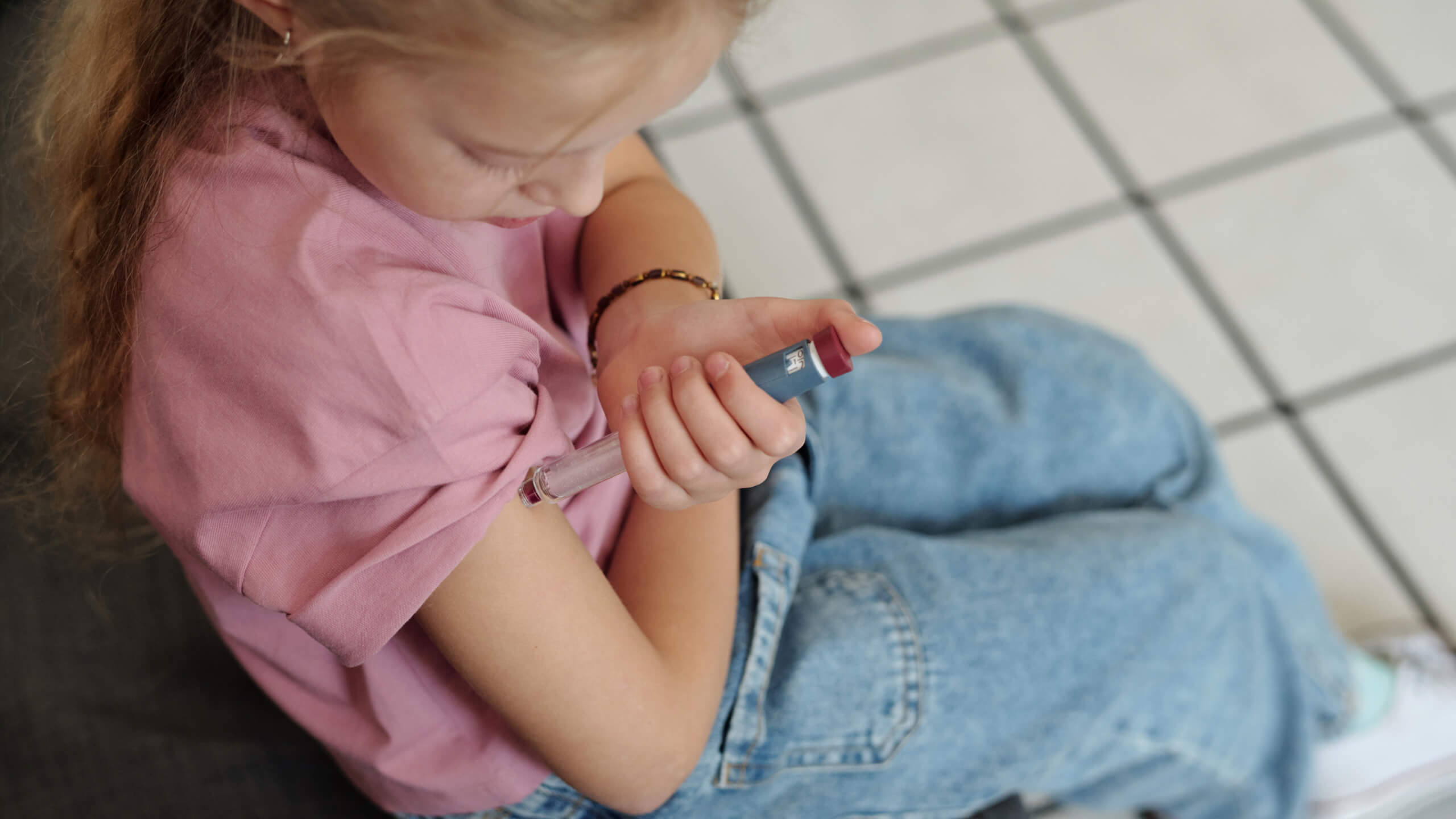
A child who is constantly thirsty, goes to the toilet more often than usual and loses weight for no apparent reason is not going through a “growth phase”. These are the classic early signs of diabetes, and a delayed diagnosis can lead to diabetic ketoacidosis, a life-threatening condition. According to the International Diabetes Federation (IDF), more than 1.2 million children and adolescents worldwide live with type 1 diabetes, and type 2 is rising alongside the childhood obesity epidemic.
Type 1 diabetes is an autoimmune disease in which the pancreas stops producing insulin. Type 2 is linked to insulin resistance and most often develops in children who are overweight. Both types require early diagnosis and follow-up by a paediatric endocrinologist.
How type 1 and type 2 differ
In type 1 diabetes, the immune system destroys the pancreas’s beta cells, the only cells that produce insulin. The process is autoimmune and not related to lifestyle. It most often appears between the ages of 4–6 and 10–14, and symptoms develop quickly, within days to weeks.
In type 2 diabetes, the pancreas produces insulin, but the cells do not respond to it properly (insulin resistance). Type 2 in children was rare 20 years ago, but today it is rising steadily. The main risk factors are excess weight, a sedentary lifestyle and a family history of the disease.
Symptoms you shouldn’t ignore
The classic triad in type 1 is excessive thirst, frequent urination and unexplained weight loss. A child may wake up at night for water or start wetting the bed again. Tiredness and irritability are common but easily put down to school pressure.
In type 2, the onset is more gradual. Symptoms develop over time and often go unnoticed. Dark, velvety patches on the skin of the neck and armpits (acanthosis nigricans) are a typical sign of insulin resistance and should not be mistaken for “dirty skin”.
The critical moment in type 1 is diabetic ketoacidosis (DKA): the body breaks down fat for energy and builds up ketones. DKA shows up as nausea, vomiting, abdominal pain and clouded consciousness. According to a study in Diabetes Care (2019), around 30–40% of children newly diagnosed with type 1 present with DKA at their first hospital admission, precisely because of delayed diagnosis.
Diagnosis and treatment
The diagnosis is made using fasting blood sugar (≥7.0 mmol/L), random blood sugar (≥11.1 mmol/L with symptoms) or glycated haemoglobin HbA1c (≥6.5%). If type 1 is suspected, autoantibodies (GAD, IA-2, ZnT8) are tested to confirm its autoimmune nature.
In type 1, treatment is insulin from the moment of diagnosis and for life. Modern approaches include insulin pumps and continuous glucose monitoring systems.
In type 2, the first step is a change in lifestyle. If these measures are not enough, metformin is added, the only oral antidiabetic medicine approved for children over 10.
Frequently asked questions
Can type 2 diabetes in a child be reversed?
With early intervention and lasting lifestyle change, yes, remission is possible, especially in mild cases. This requires consistency and long-term follow-up.
How can I tell type 1 from type 2?
Type 1 starts quickly, and the child is usually not overweight. Type 2 develops gradually, almost always in children who are overweight and have a family history. The final distinction is made by testing autoantibodies and C-peptide.
Can diabetes in children be prevented?
Type 1 cannot, because the autoimmune process does not depend on lifestyle. Type 2 can in most cases, through a healthy weight, balanced nutrition and regular physical activity.
Diabetes in children is not one disease: type 1 and type 2 have different mechanisms, different onsets and different approaches. What they have in common is that early diagnosis prevents complications and saves lives.
If your child is constantly thirsty, losing weight for no reason or unusually tired, don’t wait. One blood test is enough to confirm or rule out the diagnosis. See a paediatrician or paediatric endocrinologist; a timely response makes all the difference.
*This article is for information only and does not replace a consultation with a medical specialist. If you suspect diabetes in your child, seek medical help immediately.